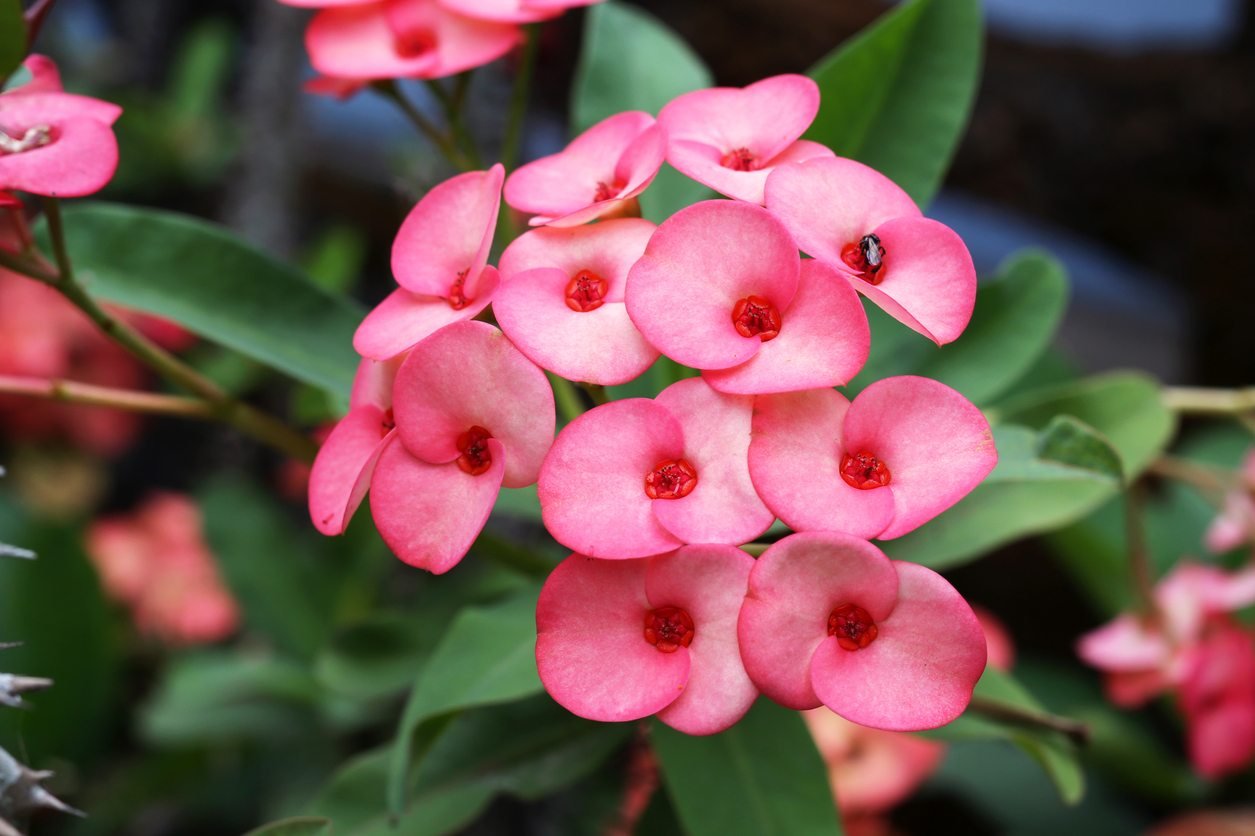
Flowers
Flowers importance in nature is everywhere—they can feed insects, birds, animals and humans; provide natural medicines for humans and some animals; and aid in a plant's reproduction by enticing outside pollinators.
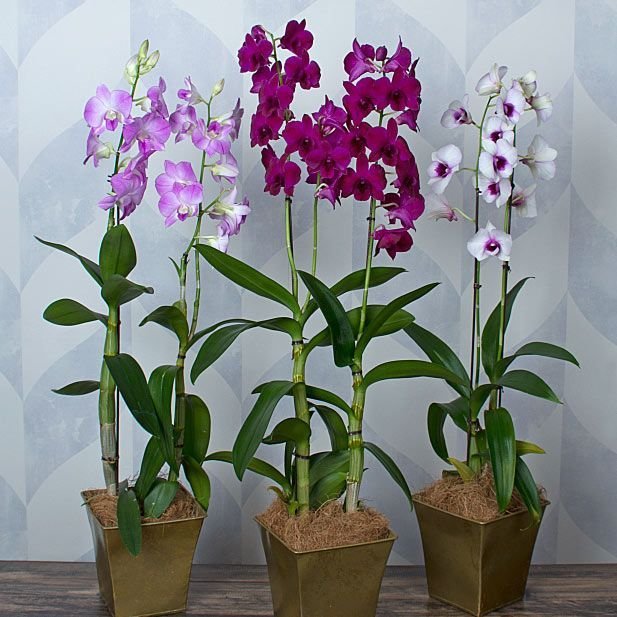
Dendrobium Orchid
Item Code: FLR/PL0001
Dendrobium is a genus of mostly epiphytic and lithophytic orchids in the family Orchidaceae. It is a very large genus, containing more than 1,800 species that are found in diverse habitats throughout much of south, east and southeast Asia
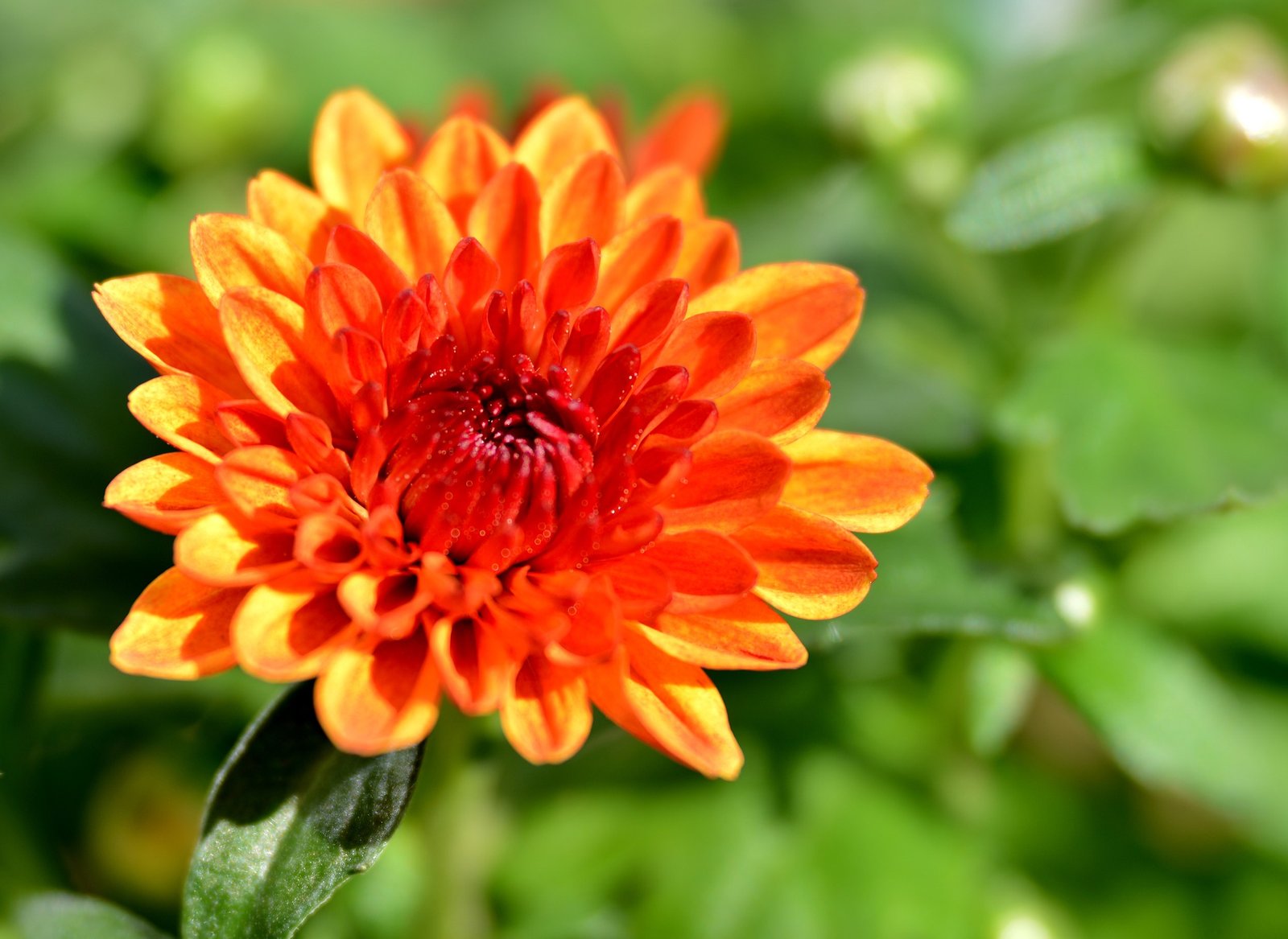
Chrysanthemums
Item Code: FLR/PL0002
Chrysanthemums, sometimes called mums or chrysanths, are flowering plants of the genus Chrysanthemum in the family Asteraceae. They are native to East Asia and northeastern Europe. Most species originate from East Asia and the center of diversity is in China. Countless horticultural varieties and cultivars exist.
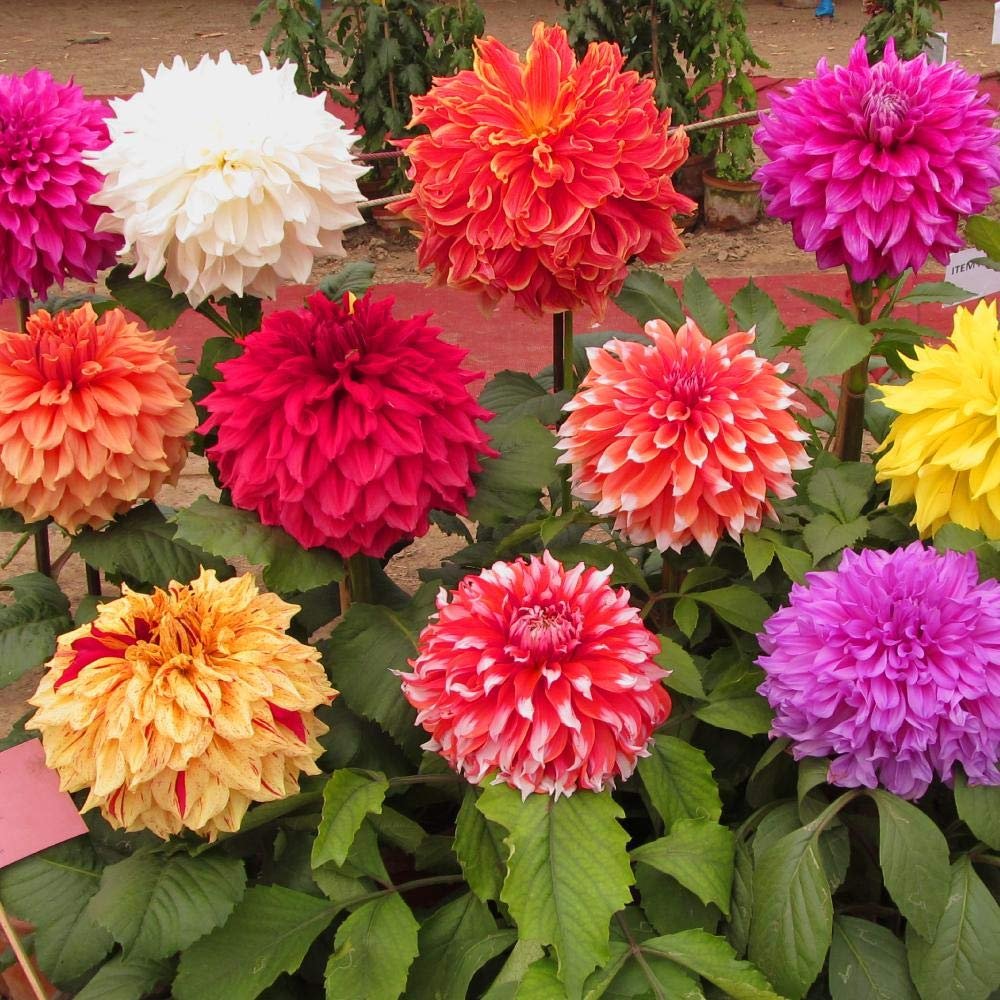
Dahlia
Item Code: FLR/PL0003
Dahlia is a genus of bushy, tuberous, herbaceous perennial plants native to Mexico and Central America. A member of the Asteraceae family of dicotyledonous plants, its garden relatives thus include the sunflower, daisy, chrysanthemum, and zinnia
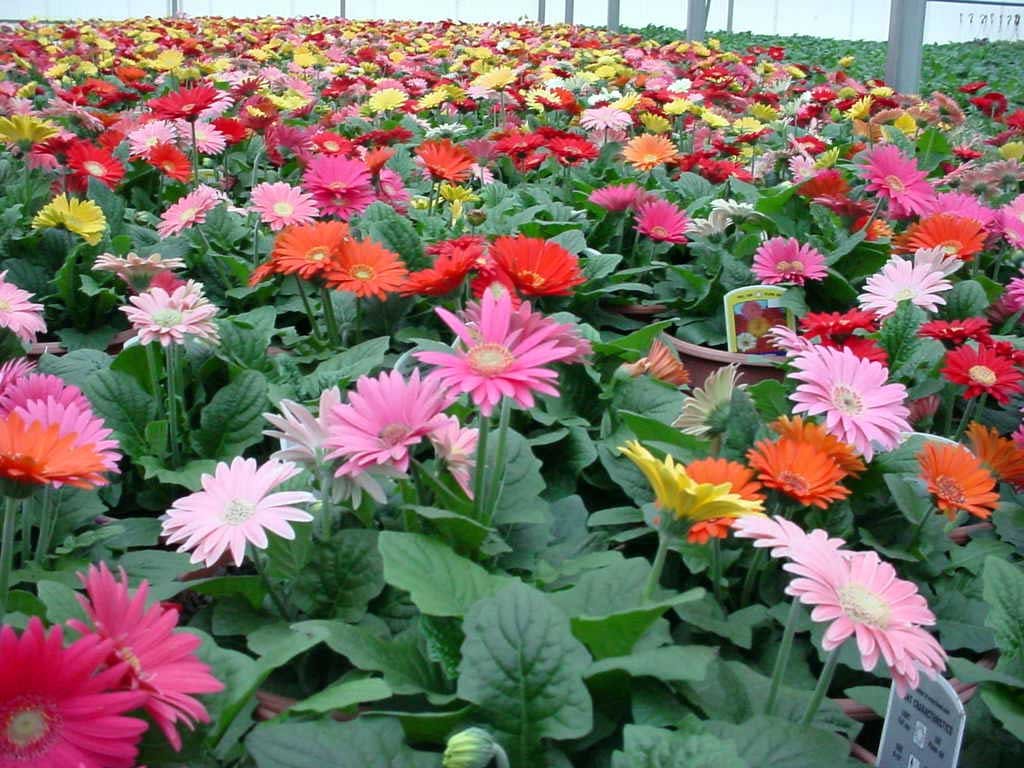
Gerbera Daisy
Item Code: FLR/PL0004
Gerbera is also commonly known as the African daisy. Gerbera species bear a large capitulum with striking, two-lipped ray florets in yellow, orange, white, pink or red colours. The capitulum, which has the appearance of a single flower, is actually composed of hundreds of individual flowers
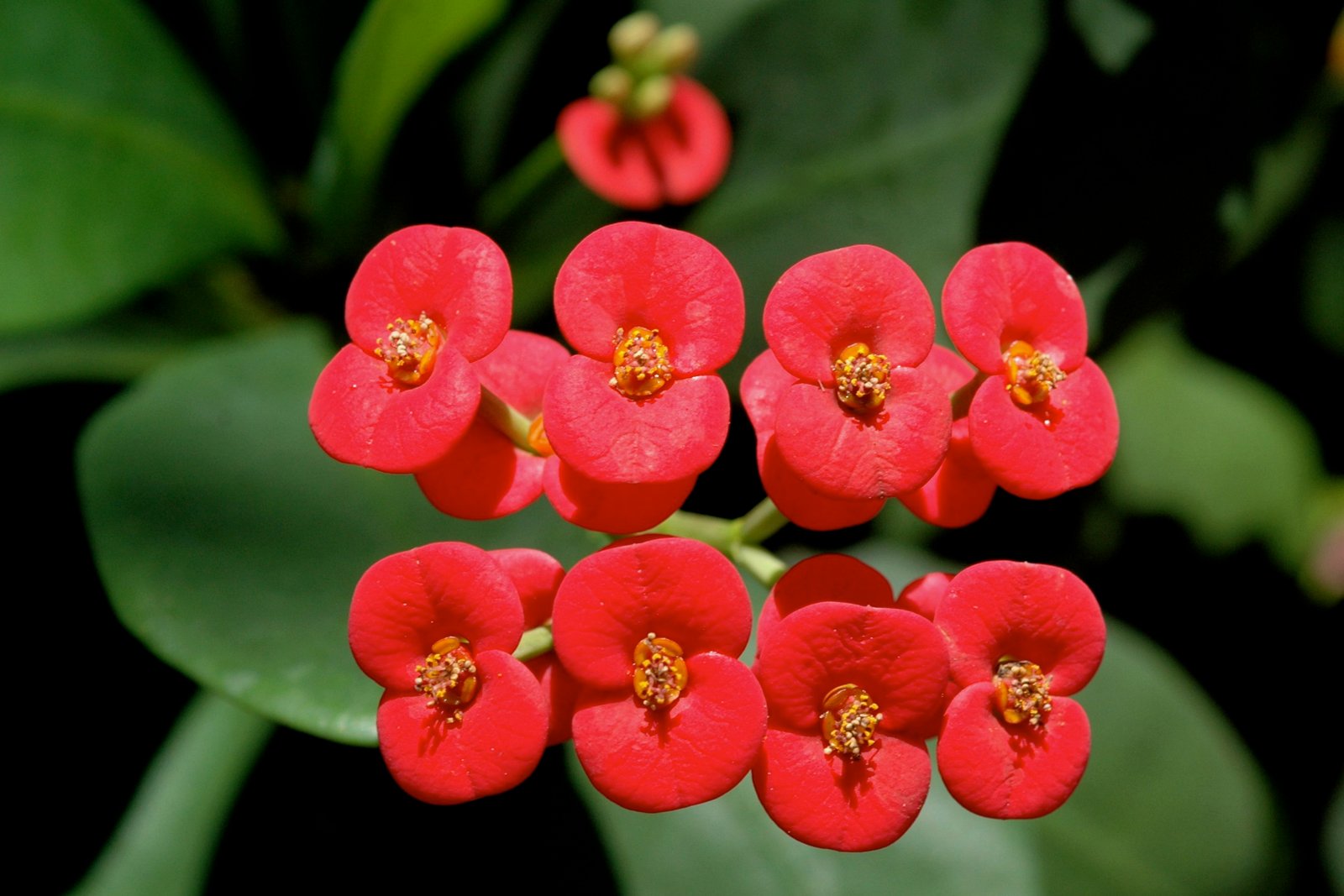
Euphorbia Milli - Red
Item Code: FLR/PL0005
Euphorbia is a large genus of smooth and spiny shrubs and cactus-like succulents from 4” to 20 feet in the spurge family (Euphorbiaceae). Of the more than 1,600 species (including poinsettia, castor bean and cassava), crown of thorns, E.milii is a smallish tropical species from Madagascar that has long been grown as a houseplant or ornamental in warm climates